


How AI Chatbots Are Affecting Modern Relationships
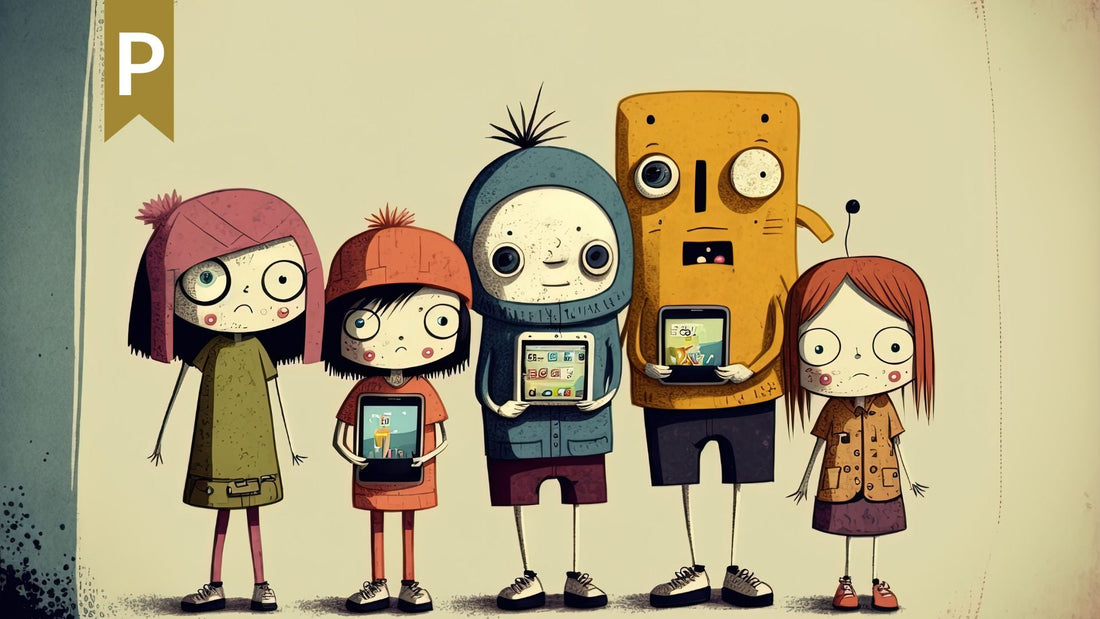
With rapidly changing technology, life has undergone several significant shifts. The most game-changing of all is the development of Artificial Intelligence, better known as AI. AI has become part of our lives in ways we never imagined. From homework to hobbies, AI is everywhere—so much so that many fear it may replace them in their jobs. While that fear is justified, are we overlooking how AI has already started replacing us in more personal, meaningful parts of our lives?
Related articles: The Hidden Cost of Dating Apps: Time, Money, and Emotional Investment
It began with AI being a good listener, a reliable support system, and an efficient problem solver. But now, it has evolved into something more—AI as our pretend partners, our ideal types. And it’s not just affecting people who are still looking for love, but also those already in relationships. From comfort to connection, AI has taken on roles once reserved for real people—friends, partners, or simply someone to talk to. Maybe that’s why we turn to it so easily.
For Gen Z—and likely the generation that follows—relationships have become one of the most complicated parts of life. With new terms like “nanoship,” “orbiting,” “ghosting,” and “breadcrumbing” popping up constantly, commitment has never been more elusive. These terms reflect just how messy modern love has become and raise important questions about AI’s role in it.
Related articles: How to Protect Your Privacy While Dating Online
"Instead of sitting with your feelings, we Google them. You don’t ask yourself if someone cares—you ask a chatbot based on a text they sent."
Because AI is so consistent, people in relationships have even begun comparing their partners to it. This comparison draws attention to the differences in attentiveness and communication between AI and actual humans. Think about the times you’ve ranted to ChatGPT or Siri—not just for advice, but out of loneliness or heartbreak. It’s surprising how much AI has changed the way we process emotions and solve problems.
Whether it’s friendships, family, or dating, relationships come with enough drama and confusion to make anyone crave something simpler. Humans have emotional needs, and we rely on others to fulfill them. But more often than not, we’re let down. The endless cycle of expectations and disappointment wears us out. Like when your best friend promises they’ll always be there, but at 2 a.m., when you’re crying and texting them, they’re deep in dreamland. By sunrise, you’ve moved on. Still, in that moment, you wonder if you really have someone to rely on.
Related articles: Psychological Effects of Online Dating
No one’s to blame. Expectations rarely match reality. That’s where AI steps in. It’s a tool that’s always ready to meet many expectations—no judgment, no complaints, instant replies. AI checks many boxes. What do most of us want from a partner? Emotional support, understanding, unconditional love. The basics. But when real relationships don’t always provide those basics, AI can seem like the better choice. It’s comforting to have someone—or something—calm you down. In the middle of the night, when the darkness clouds your thoughts, AI lightens the load.
Chatbots become a safe space, one that always has room for you. After a long day of pretending to be fine, they don’t just listen—they help you feel fine again. The thought of being “too much” doesn’t exist in the AI world.
by Misthi Shrestha
Want to keep reading? Snag the Mag below.