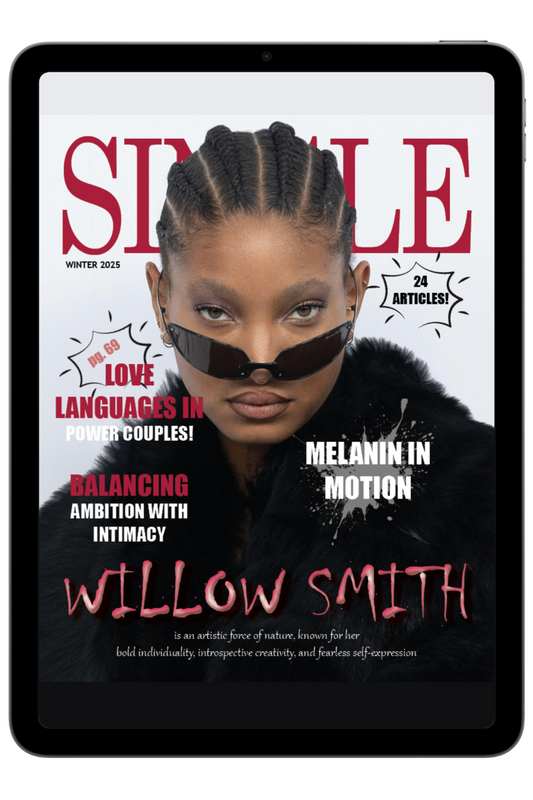


Your Health Could Be Influencing Your Dating Life More Than You Think

Modern dating conversations revolve around mindset, communication, and emotional availability. We’re told to “know our worth,” set boundaries, and avoid red flags (all important advice). But there’s a quieter, often overlooked factor shaping how we show up in relationships: our physical health. From mood swings and low energy to anxiety and brain fog, subtle health imbalances can influence how we connect, communicate, and even who we’re attracted to. If you’ve ever felt like you’re doing the inner work but still struggling in your dating life, your body, not just your mindset, might be part of the story.
THE MIND-BODY CONNECTION IN DATING
We often separate emotional well-being from physical health, but science shows they’re deeply intertwined. Hormones, nutrient levels, and genetic factors all play a role in regulating mood, stress response, and cognitive clarity.
Dr. Lisa Mosconi, neuroscientist and author of The XX Brain, explains: “The brain is not isolated from the body. What affects your body affects your brain and ultimately your behavior.”
In dating, that behavior matters. Your patience, emotional resilience, confidence, and even your ability to feel excitement or attraction are influenced by what’s happening internally. When something feels “off,” it’s not always a mindset issue. Sometimes, it’s biological.
LOW ENERGY, LOW EFFORT: THE HIDDEN LINK
If dating feels exhausting, you’re not alone. But constant fatigue doesn’t just make you cancel plans; it can subtly affect how you show up.
You might:
- Struggle to engage in meaningful conversation
- Feel emotionally flat or disconnected
- Lose interest quickly, even in promising matches
Research published in Psychoneuroendocrinology shows that chronic fatigue and stress can blunt emotional responsiveness and reduce motivation, both of which are key to forming new connections. This can be misinterpreted as “not feeling a spark” or “dating burnout,” when in reality, your body may simply be depleted.
MOOD SWINGS AND MISCOMMUNICATION
Ever reacted more strongly than you intended on a date? Or felt unusually anxious about texting back? Fluctuations in mood aren’t always about emotional triggers. Nutrient deficiencies, particularly in B vitamins, magnesium, and folate, have been linked to increased anxiety, irritability, and even depression.
According to a review in the Nutrients Journal (2016), deficiencies in B vitamins can impair neurotransmitter function, directly affecting mood regulation. Emotional consistency builds trust. If your mood feels unpredictable, it can impact:
- How you interpret someone’s actions
- Your communication style
- Your ability to regulate conflict
CONFIDENCE ISN’T JUST MENTAL
Confidence is often framed as a mindset shift. And while self-belief is crucial, physical wellbeing plays a significant role too. When your body feels good, it shows:
- You carry yourself differently
- You’re more present in conversations
- You’re less likely to overthink
On the flip side, persistent brain fog, anxiety, or low mood can quietly erode confidence, even if you’re doing everything “right” on paper. As psychologist Dr. Kelly McGonigal notes:
“The body shapes the mind just as much as the mind shapes the body.”
This is particularly relevant in dating, where first impressions and emotional presence matter.
THE GENETIC PIECE WE DON’T TALK ABOUT
One of the more overlooked aspects of health is how genetics influences your body's nutrient processing and mood regulation. For example, variations in the MTHFR gene can affect how efficiently your body processes folate, a nutrient essential for brain function, mood stability, and detoxification. When this pathway isn’t functioning optimally, it may contribute to:
- Low energy
- Increased anxiety
- Difficulty managing stress
For those curious about this connection, tools such as genetic testing can offer deeper insight. Some people choose to explore options like testing through resources like https://www.fenixhealthscience.com/, which provides access to targeted health insights, including the MTHFR gene test.
ATTRACTION, CHEMISTRY, AND BIOLOGY
We often describe attraction as “chemistry,” but that term is more literal than we think. Neurotransmitters like dopamine, serotonin, and oxytocin play a major role in how we experience attraction and bonding. If these systems are out of balance, it can affect:
- Who you feel drawn to
- How strongly you feel attraction
- Your ability to form emotional connections
A study published in Nature Reviews Neuroscience highlights how dopamine pathways are central to romantic attraction and motivation. When these pathways are disrupted, whether by stress, poor sleep, or nutritional imbalances, your dating experiences can feel different.
This might explain why:
- You’re attracted to emotionally unavailable partners
- You feel “numb” when meeting new people
- You lose interest quickly
STRESS, CORTISOL, AND EMOTIONAL AVAILABILITY
Dating can be stressful, but chronic stress goes deeper than pre-date nerves. When cortisol (your primary stress hormone) is consistently elevated, it can:
- Increase anxiety
- Reduce emotional bandwidth
- Make you more reactive or guarded
According to the American Psychological Association, prolonged stress can impair emotional regulation and decision-making, both essential in building healthy relationships.
This means you might:
- Misread situations
- Pull away prematurely
- Struggle to feel safe opening up
Understanding this can shift the narrative from “Why am I like this?” to “What might my body be trying to tell me?”
SUPPORTING YOURSELF HOLISTICALLY
The goal isn’t perfection. It’s awareness. Small shifts can make a meaningful difference:
- Prioritizing sleep and recovery
- Eating nutrient-dense foods
- Managing stress through movement or mindfulness
- Seeking professional advice when something feels persistently off
You don’t need to overhaul your life overnight. But understanding that your body plays a role in your dating experiences can be empowering. It moves you from self-criticism to self-awareness.
by Janine Huldie